Learning, solidarity, and new perspectives through international volunteering
At the beginning of 2024, Philanthropy launched a three-year project within the European Solidarity Corps programme, supported by the European Union. The project brings together organizations from Serbia, the European Union, and Africa with the goal of promoting volunteering, strengthening solidarity among communities, and creating opportunities for young people to contribute to meaningful social initiatives across borders.
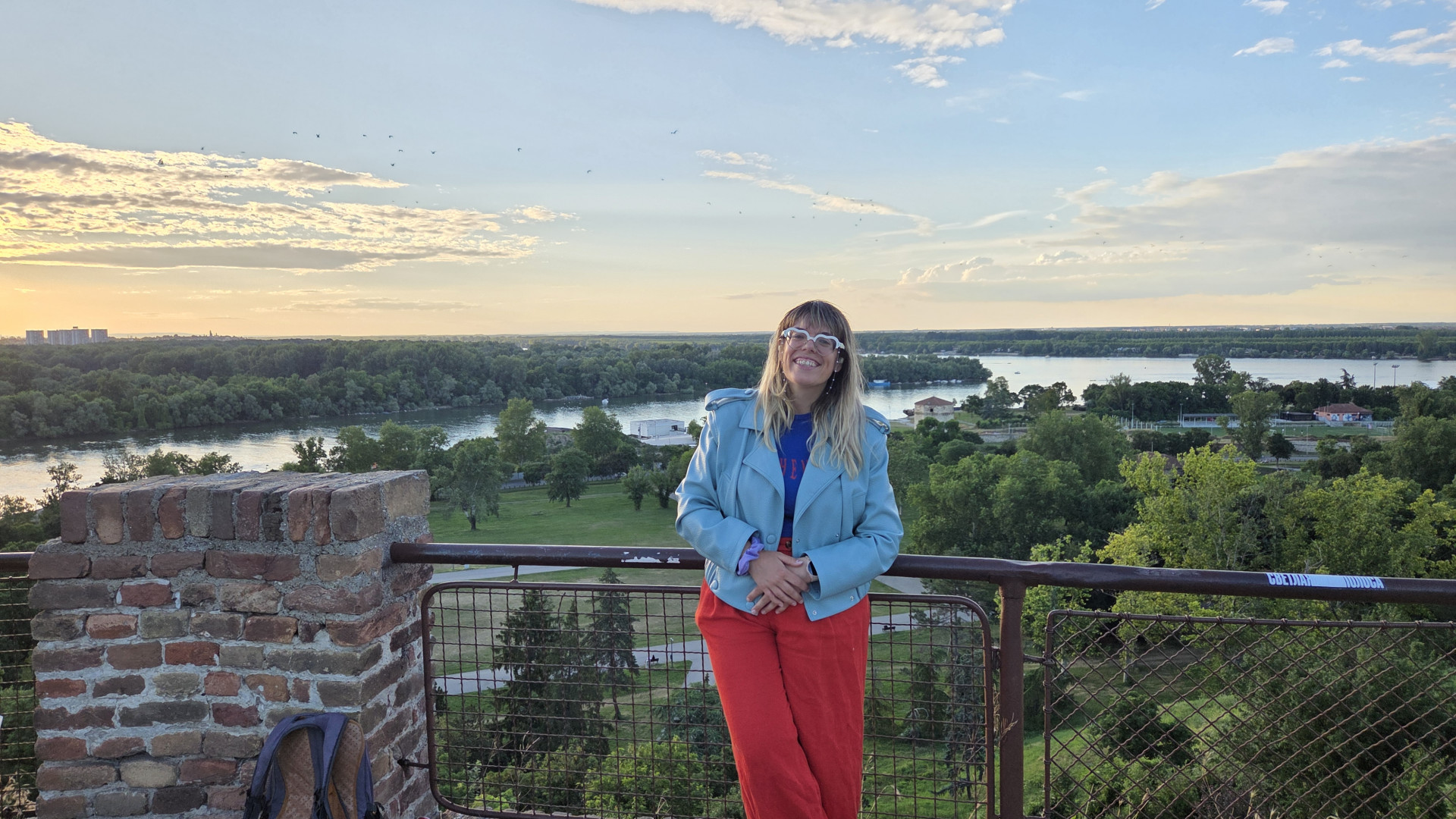
As part of this initiative, Marina Braga from France joined Philanthropy as a Fundraising Assistant. Through her engagement, she has been supporting fundraising activities, project planning processes, identifying new funding opportunities, and contributing to the long-term sustainability of humanitarian programmes. Her role has also provided an opportunity to better understand the processes, coordination efforts, and organizational mechanisms that enable humanitarian programmes to effectively support vulnerable communities.
Since arriving in Belgrade in January, Marina has been experiencing a different side of humanitarian work. While her previous experiences with NGOs in Malta, Mexico, and India were primarily focused on direct community engagement, her role at Philanthropy has provided an opportunity to explore the processes involved in developing, implementing, and sustaining humanitarian programmes.
“This is my first time in a more administrative, less hands-on position. This engagement has provided a different kind of education.”
Through her work with Philanthropy, Marina has gained a deeper understanding of the complexity of managing humanitarian projects and securing resources needed for their implementation.
“It has been a valuable lesson in realizing just how complex the internal, administrative office life of an NGO can be, especially in a post-USAID world, where every NGO is struggling to find funding and keep providing invaluable support and services to the communities who need it most.”
Working closely with fundraising activities, project development, donor relations, and organizational planning has allowed her to see how much preparation and coordination take place before assistance reaches beneficiaries.
“I’ve come to see that the wheels of an organization move through intricate bureaucracy, meticulous planning, and specific administrative paces that are very different from field action. Observing these internal dynamics has given me a realistic view of the patience and structural navigation required behind the scenes of the non-profit sector.”
Her experience has also expanded her understanding of how local and international solidarity initiatives are designed, coordinated, and implemented through cooperation between organizations, volunteers, donors, and communities.
Embracing Life in Serbia
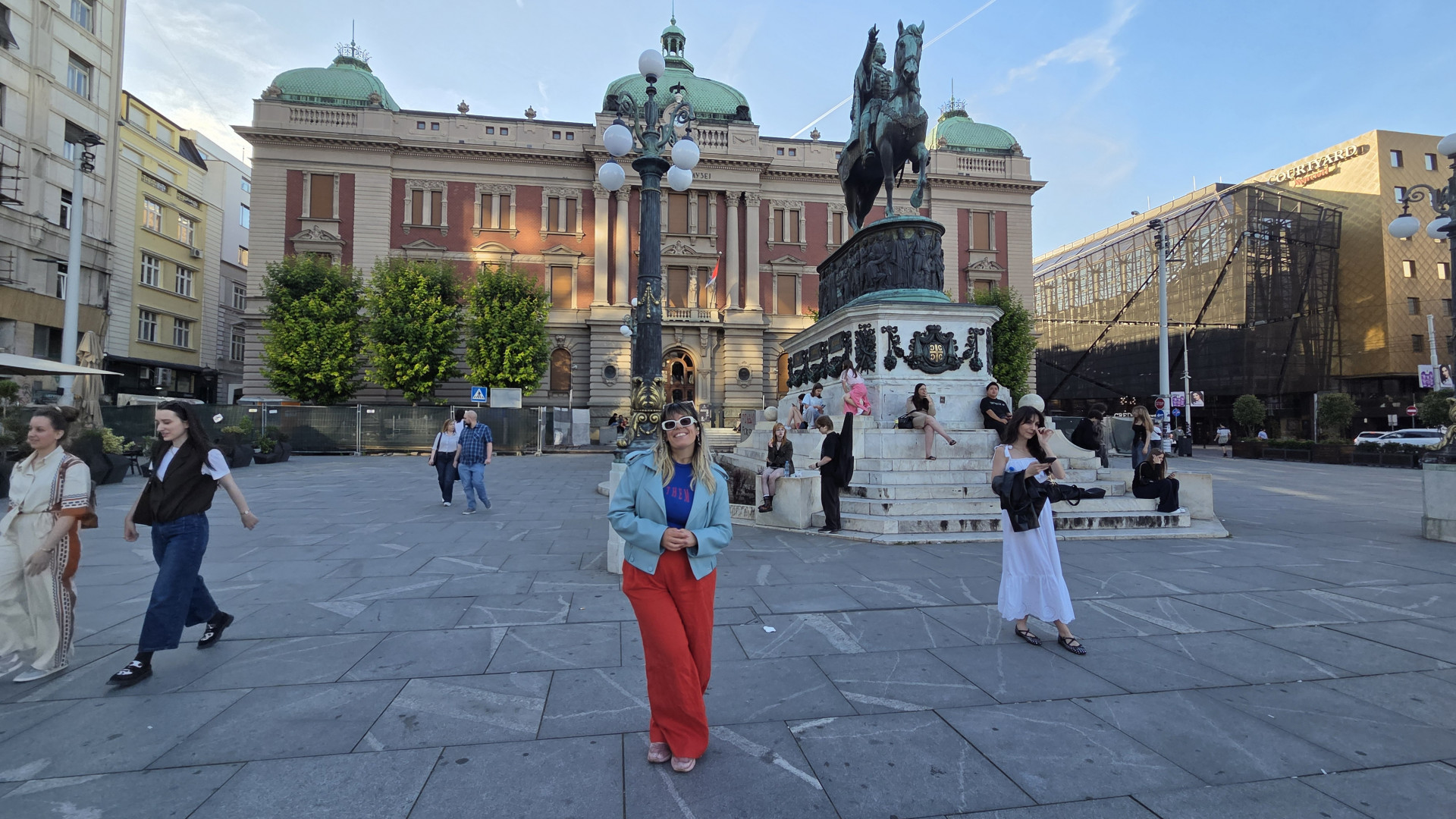
Outside of work, Marina has embraced life in Serbia and quickly developed a routine that has helped her feel connected to her new environment. She describes Belgrade as a city with a vibrant and welcoming atmosphere.
“On the personal side, living in Belgrade has been an absolute joy, in spite of how crazy traffic can get (I think I spend more time on the Belgrade buses than I do in my own bed at this point!).”
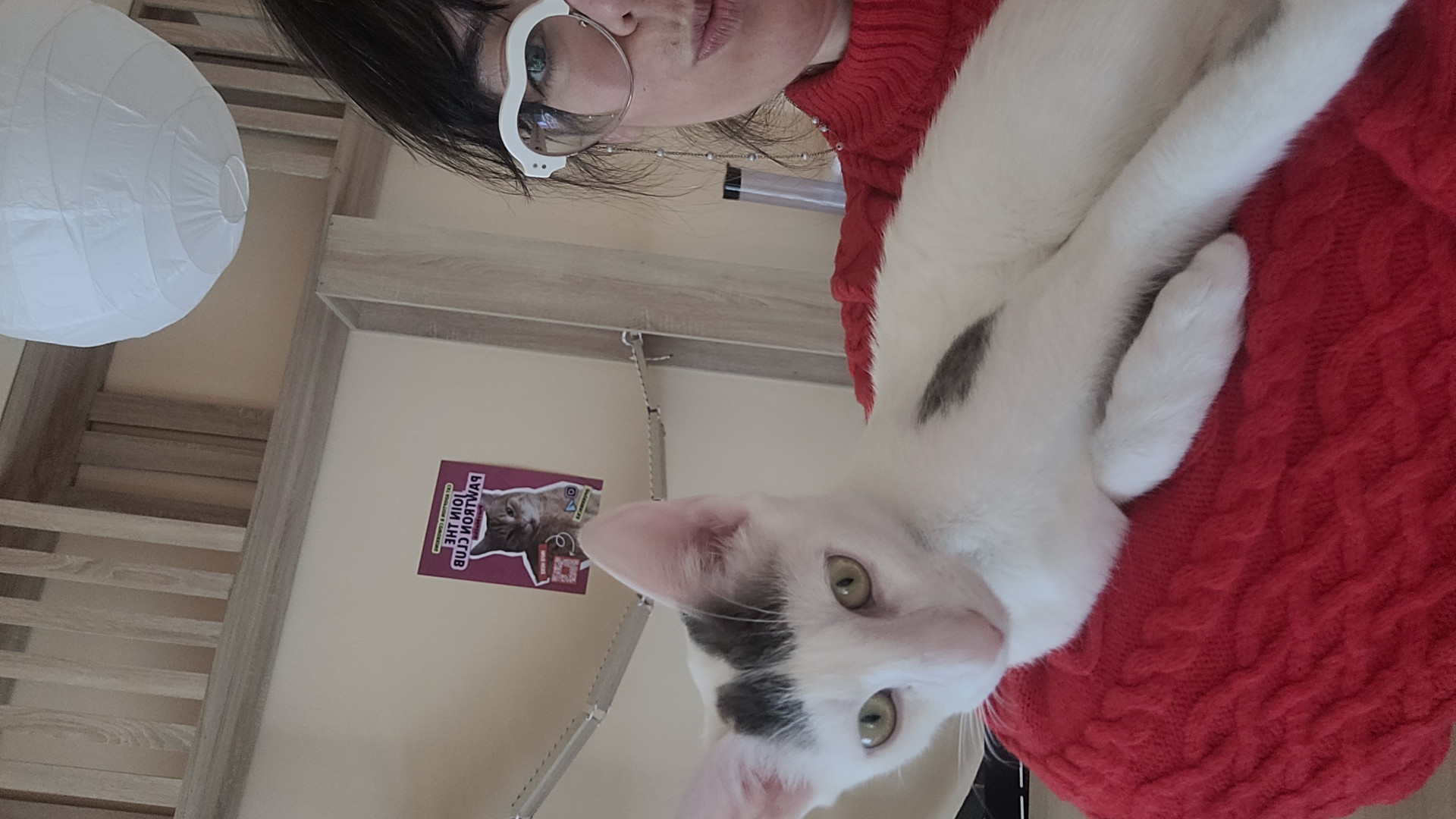
Maintaining an active lifestyle has become an important part of her daily routine, while weekends are dedicated to volunteering at a local cat rescue organization. As a lifelong animal lover, this has been one of the most rewarding aspects of her stay. “Supporting the local cat welfare community has allowed me to give back to Belgrade in a very personal way.”
In addition to volunteering, establishing a daily routine has helped her feel more connected to the city and its way of life. “Finding a local gym and maintaining a solid daily fitness routine has kept me grounded, active, and feeling like a true local with a routine rather than a mere visitor.”
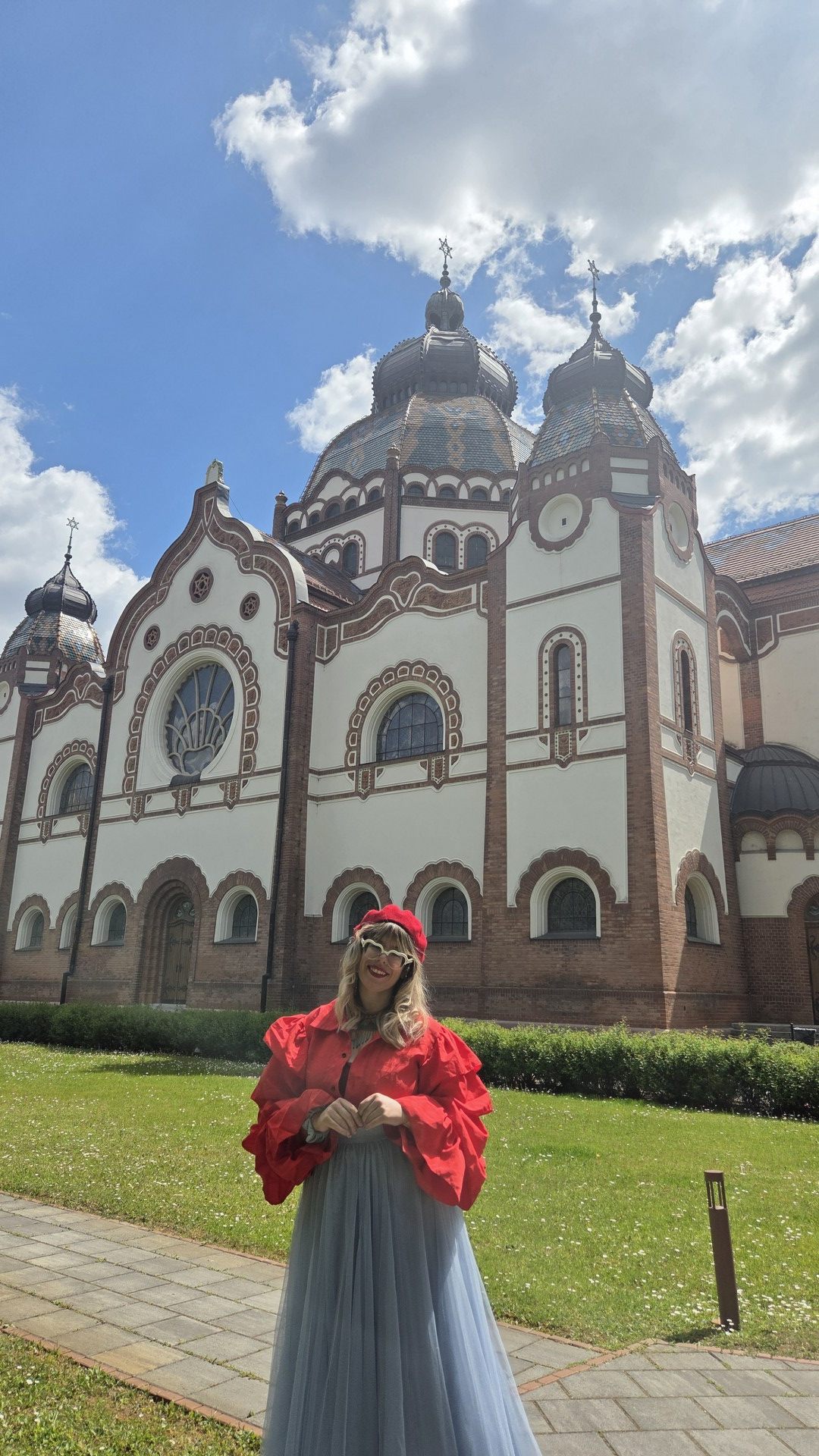
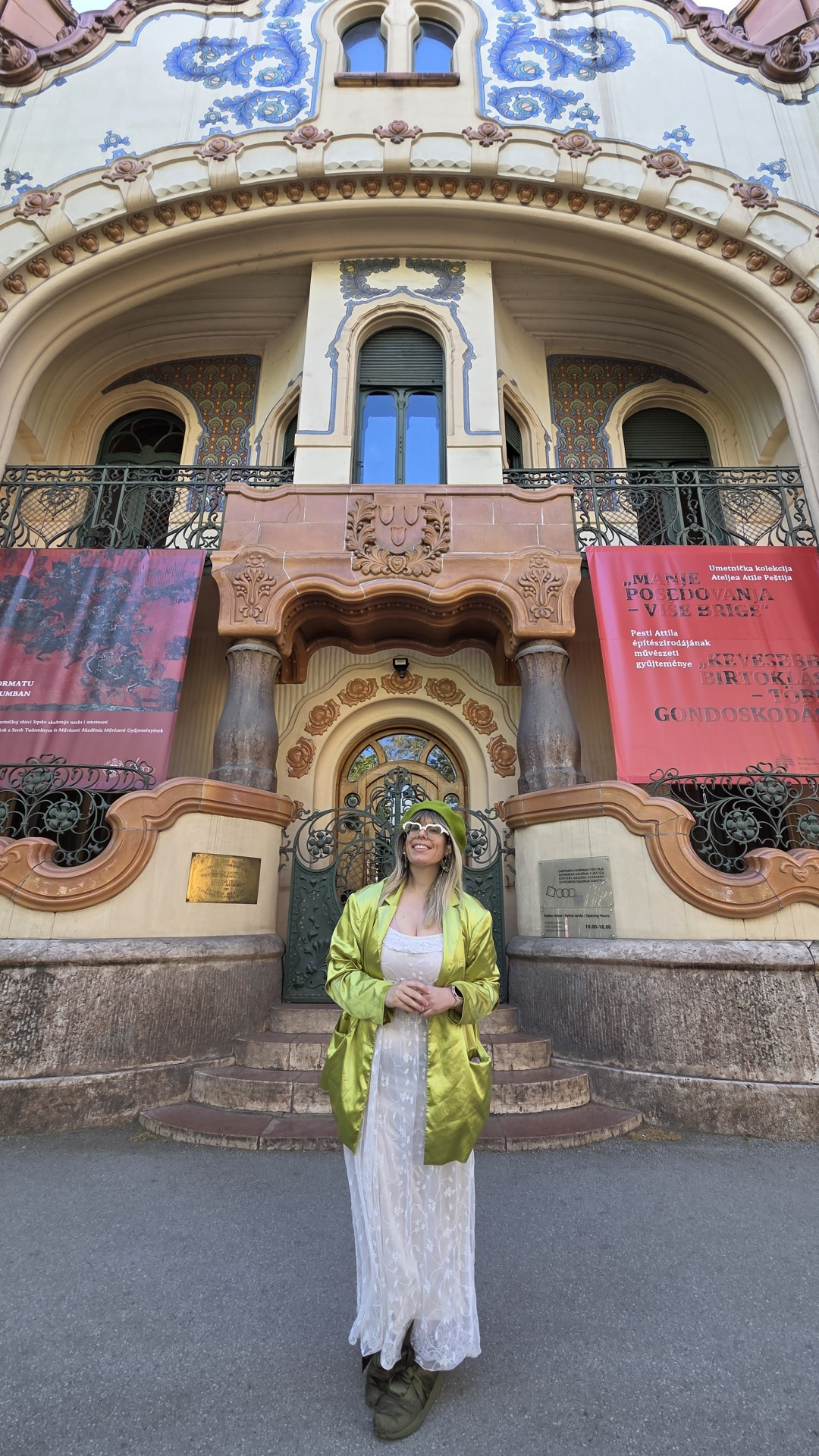
Marina has also remained connected to her passion for languages and culture. As a Spanish speaker, she regularly attends the Cine Club at the Instituto Cervantes, where she enjoys Spanish-language films and opportunities to meet people from diverse backgrounds. Beyond Belgrade, she has dedicated part of her free time to discovering other parts of Serbia. Recent visits to Novi Sad, Subotica, and Palić allowed her to explore Orthodox and Catholic churches, synagogues, museums, and natural sites while learning more about the country’s history and cultural diversity. “These trips have shown me just how diverse and culturally rich this country is, and I am incredibly eager to discover even more of Serbia's hidden gems in the coming months.”
Learning, Growing, and Looking Ahead
One of the biggest challenges during her stay has been learning Serbian. However, Marina views the process as an important part of her cultural experience and appreciates the encouragement she receives from local people.
“There is nothing quite like the proud feeling of ordering crni čaj bez šećera rather than black tea without sugar, or telling the little old lady sitting next to me and my cat on the bus that moj mačor se zove Don Dijego sa Kratkim Repićem.”
She adds that people in Serbia are always supportive when she attempts to communicate in their language. As part of the programme, she also has the opportunity to start learning Serbian and she has enrolled in Serbian language lessons, which helps her better connect with the local community and culture.
“People here are incredibly patient and genuinely appreciative whenever I try to speak the language, even if I often resort to asking ‘Da li govorite engleski, francuski ili španski?’ once it becomes too complicated to follow.”
Reflecting on her experience so far, Marina believes that her time with Philanthropy has been both professionally and personally enriching. Through her involvement in fundraising, project planning, donor engagement, and organizational development, she has gained a greater appreciation for the work required to sustain humanitarian programmes and ensure their long-term impact.
“This journey with Philanthropy has given me a profound appreciation for the invisible, tireless structural work that keeps non-profit missions alive, while Belgrade and the wider region have welcomed me with beautiful nature, interesting culture, and grounding routines. I look forward to what the coming months will bring as I continue to explore, learn, and grow.” And while she has discovered many things about Serbia during her stay, one favorite stands above all others:
“And of course, I could not write of my experience here without mentioning the new love of my life: if you ran a blood test on me right now, I’m pretty sure I am now entirely made out of ajvar, undoubtedly my absolute best Serbian discovery.”
Through the European Solidarity Corps project, international volunteers such as Marina continue to contribute not only to the work of Philanthropy but also to the exchange of knowledge, experiences, and cultures that strengthen solidarity and foster positive social change across communities.