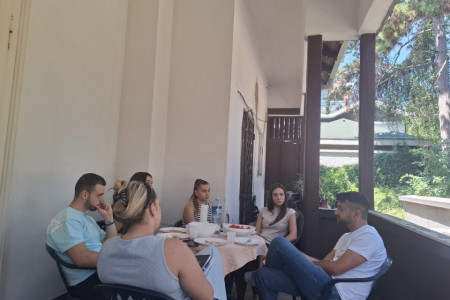
Professional practice through the integration of theory and practice
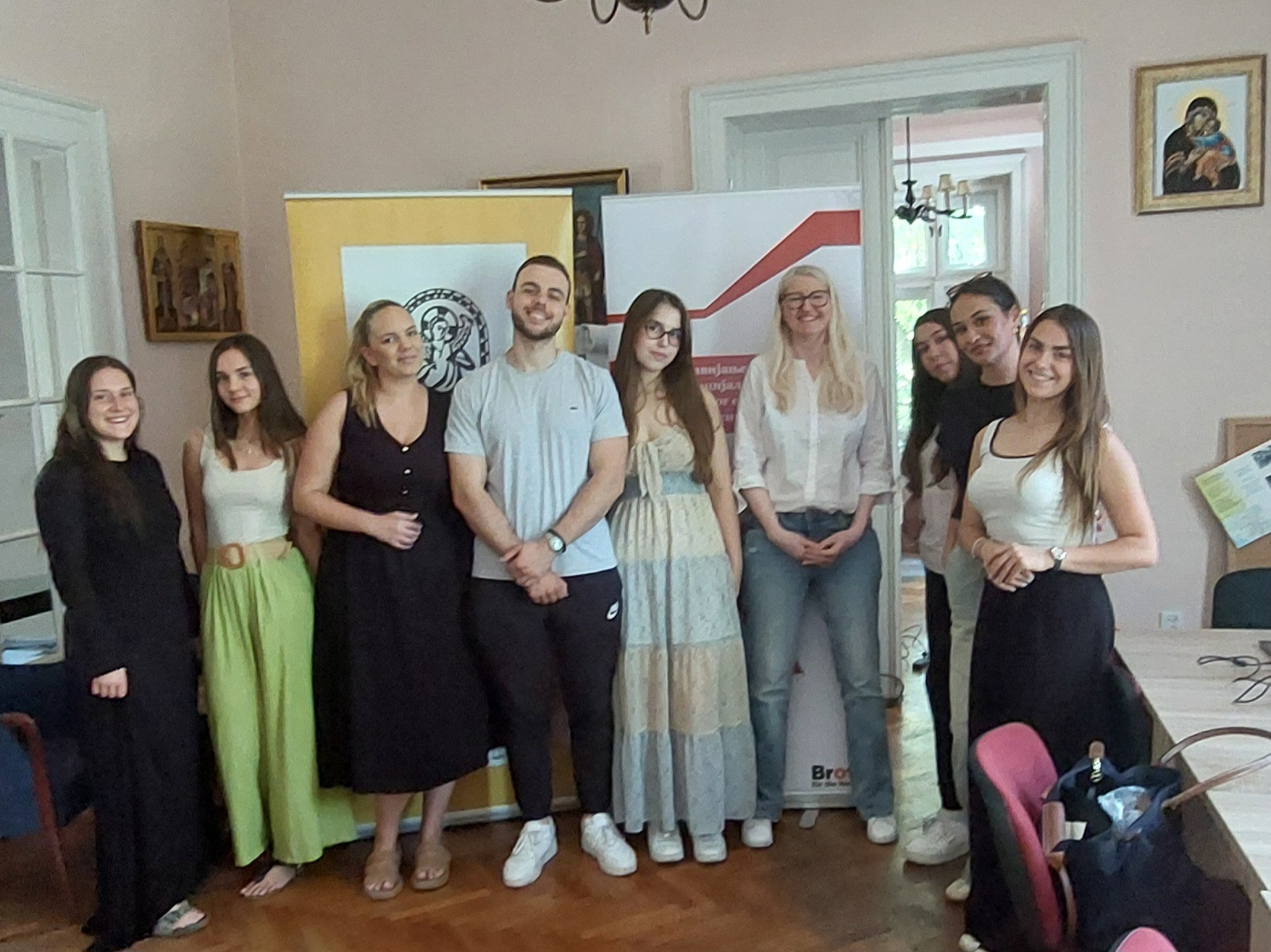
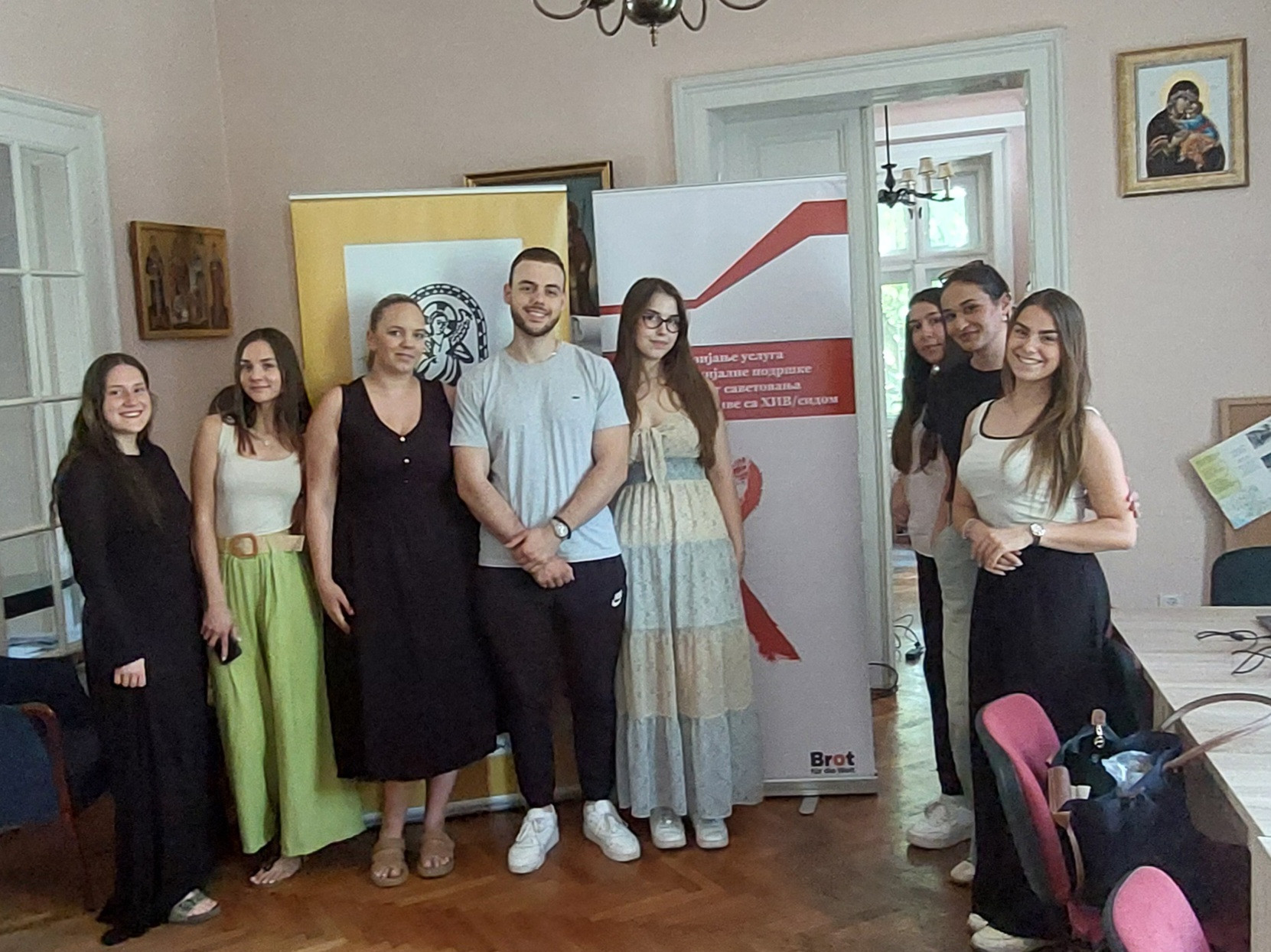
For many years, Philanthropy has successfully cooperated with the Faculty of Political Sciences of the University of Belgrade and the Faculty of Special Education and Rehabilitation (FASPER), providing final-year students with the opportunity to gain practical knowledge, develop professional skills, and become familiar with the work of civil society organizations through professional practice.
This year’s professional practice was implemented as one of the activities within the project “Strengthening Psychosocial Support Services and Legal Counselling for People Living with HIV/AIDS,” which Philanthropy implements with the aim of improving the quality of life of people living with HIV through the provision of psychosocial support, legal counselling, and educational activities. The project is implemented in cooperation with the German organization Brot für die Welt, with financial support from the Federal Ministry for Economic Cooperation and Development (BMZ), while simultaneously contributing to the development of future professionals by connecting academic education with practical experience.
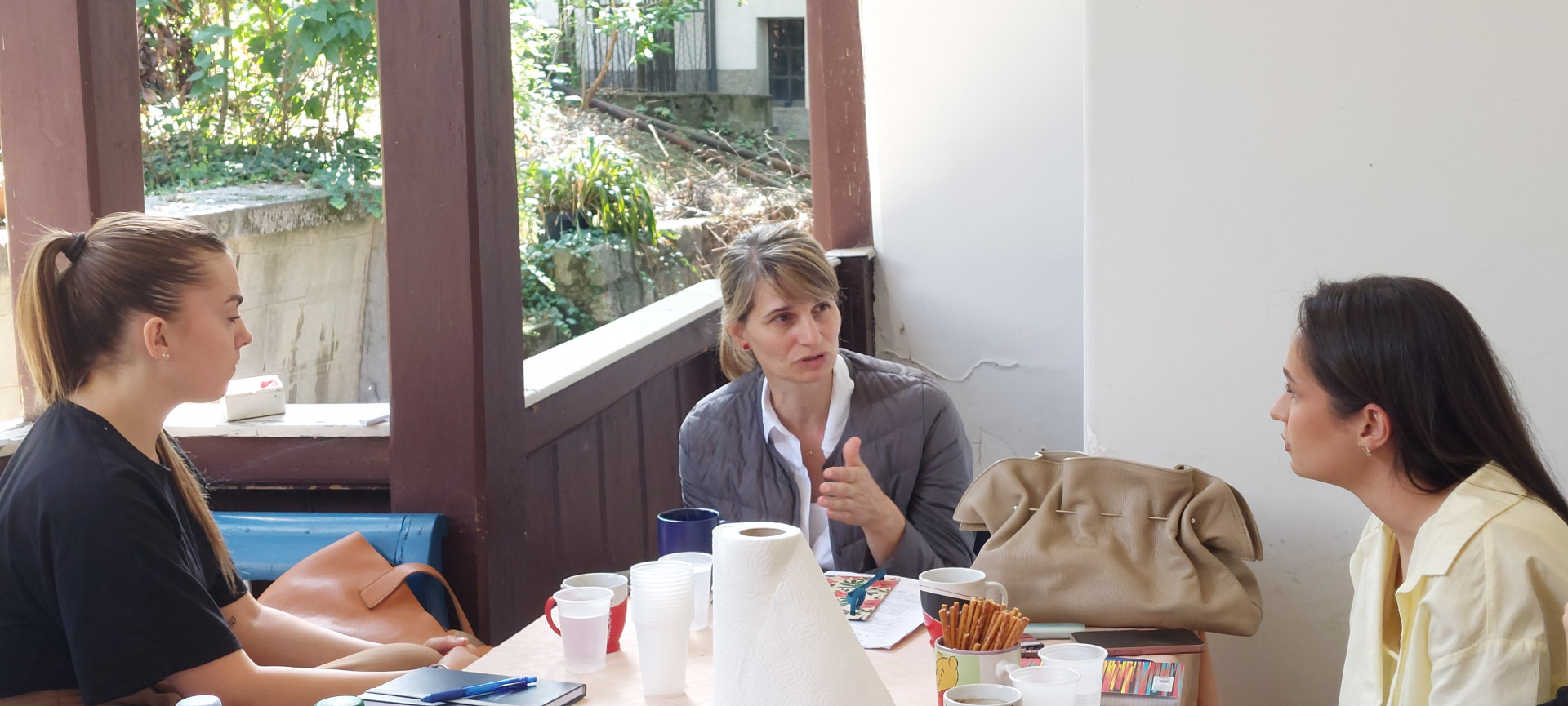
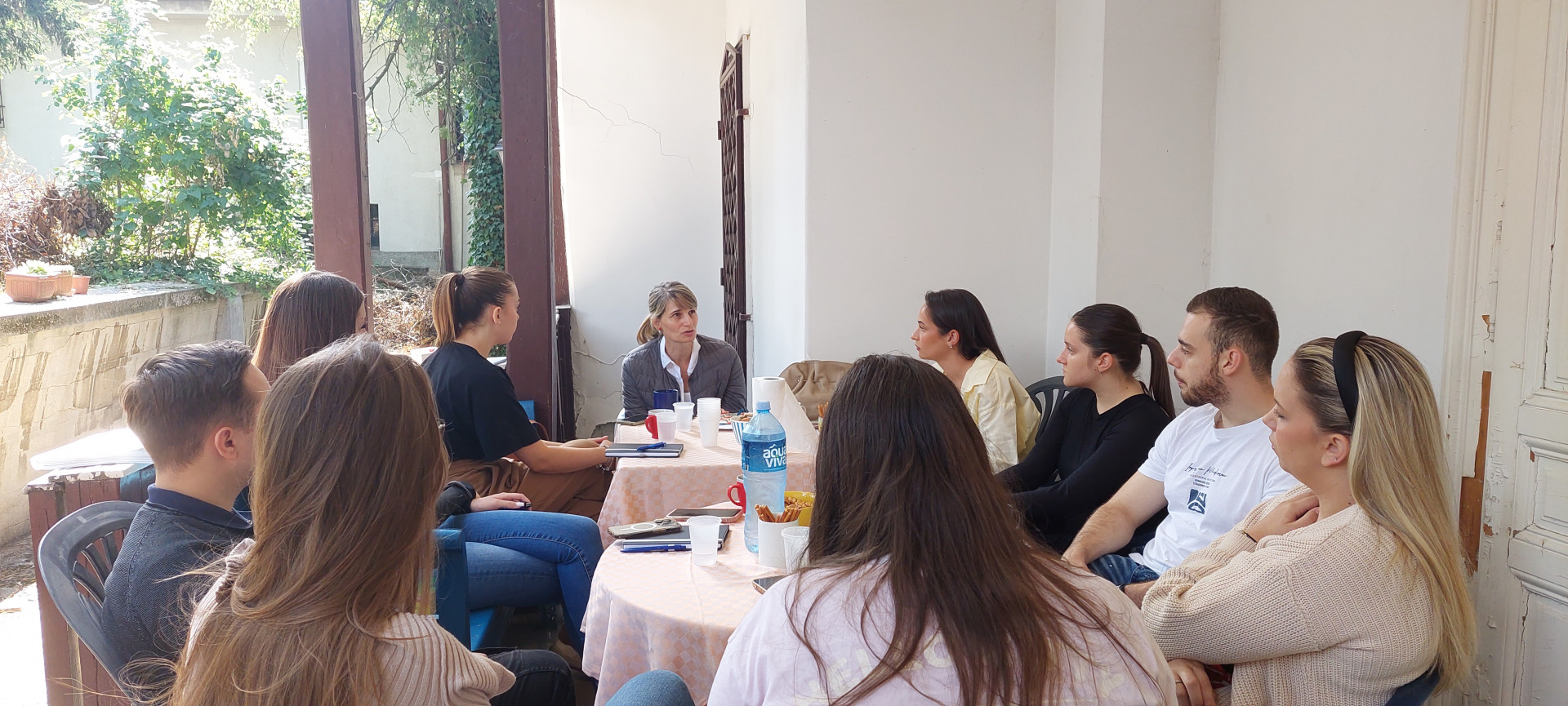
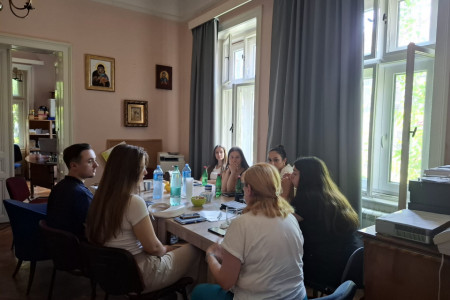
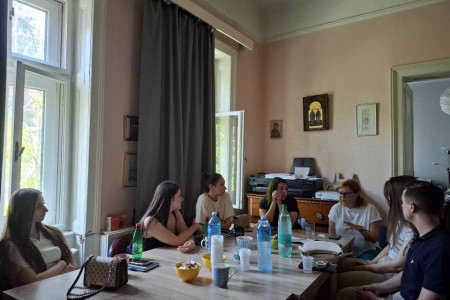
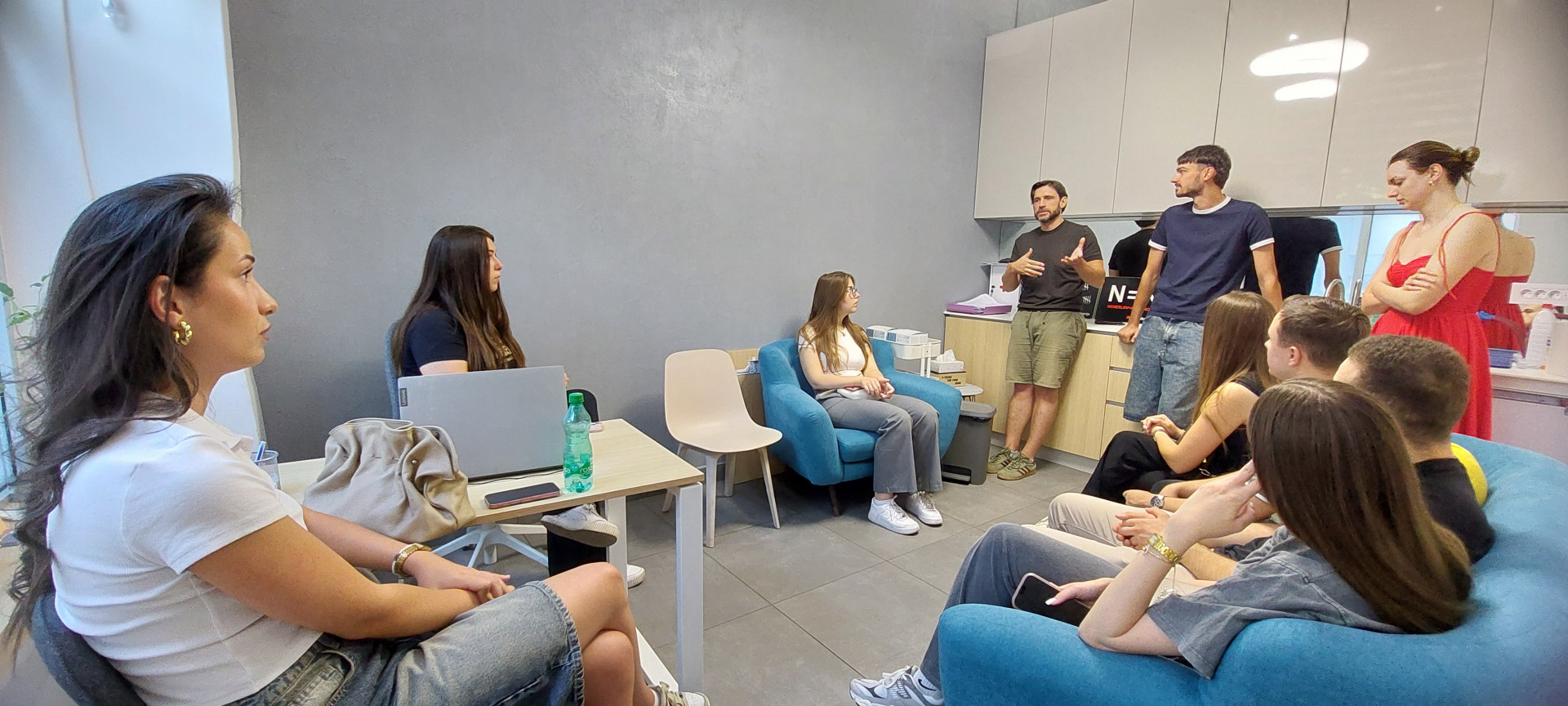
The professional practice programme began with an introduction to the work of Philanthropy, its mission, values, and programmes implemented throughout Serbia. During the introductory sessions, students had the opportunity to talk with members of the programme team, gain insight into the organization’s functioning, and learn about the planning and implementation of activities, as well as the importance of cross-sectoral cooperation in providing support to various vulnerable social groups.
Through a carefully designed and thematically structured professional practice programme, students combined daily study visits to institutions and organizations working in the field of social protection with lectures, presentations, workshops, and interactive training sessions held at Philanthropy’s premises, as well as in other partner organizations. This approach enabled them to directly connect theoretical knowledge with practical experiences.
One of the activities within the practice programme was the presentation of the project Humanitarian Volunteering for Solidarity Activities, during which a volunteer engaged within the project shared her volunteering experience, as well as her experiences of volunteering in different countries. Through her personal story, she highlighted the importance of international volunteering and emphasized its contribution to the development of solidarity, empathy, intercultural competencies, and professional skills. The session encouraged students to view volunteering as an important opportunity for personal and professional development, as well as a way to actively contribute to the community.
As part of the professional practice, students also visited the organization Bread for life, where they learned about the organization’s mission, programmes, and approaches to providing support to beneficiaries. Through discussions with employees, students gained insight into the challenges of humanitarian work and the importance of developing high-quality social services.
A particularly significant segment of the practice programme was dedicated to the Support Programme for People Living with HIV. The psychotherapist engaged within the programme shared her professional experience, the challenges encountered when working with beneficiaries, and the importance of psychosocial support in improving the quality of life of people living with HIV. Additional value was provided by programme beneficiaries who shared their personal experiences of living with HIV, discussing the challenges they face, the importance of support, acceptance, and combating stigma.
This direct interaction enabled students to develop a deeper understanding of the importance of empathy, trust, and an individualized approach when working with beneficiaries.
Students also visited Potent –National center for sexual and reproductive health, where professional staff introduced them to the work of the centre and the services it provides to citizens. Particular emphasis was placed on voluntary confidential counselling and testing (VCCT) for sexually transmitted infections, as well as the importance of prevention, education, and timely access to information in the field of sexual and reproductive health.
One segment of the professional practice programme was dedicated to introducing students to the licensed social protection services provided by Philanthropy. Students also became familiar with the work of the “Saint Joachim and Anna” Shelter for Adults and Elderly Persons in Kragujevac, where a social worker employed at the shelter presented the organization’s work, daily activities, professional standards, and challenges related to providing support to adult and elderly beneficiaries.
Through practical examples, students gained a better understanding of the functioning of one of the licensed social protection services.
Students also had the opportunity to visit the Institute for the Protection of Infants, Children and Youth – “Moša Pijade” Unit, where, through conversations with educators and children without parental care residing in the institution, they learned about the organization of work within the institution, as well as the challenges faced by both employees and beneficiaries in their everyday work and lives.
They also had the opportunity to learn about the foster care service through conversations with children growing up in foster families. This enabled them to gain a direct perspective on the importance of a family environment, support, and quality care for children without parental care.
It is important to emphasize that the participation of all beneficiaries who shared their personal experiences was entirely voluntary and based on their free will and willingness to provide students with insight into their own perspectives as users of social protection services. Through their stories, students had the opportunity to better understand the challenges faced by beneficiaries, as well as the importance of support from the perspective of those for whom these services are intended.
Philanthropy places particular emphasis on protecting the privacy, dignity, and rights of its beneficiaries. Therefore, all such encounters are organized with their prior consent and with full respect for ethical principles of professional practice.
The aim of this approach to professional practice was to enable students to understand both the perspective of service providers and the perspective of service users, so that in their future professional work they can develop a better understanding of beneficiaries’ needs and provide services that are of high quality, empathetic, and focused on the actual needs of individuals.
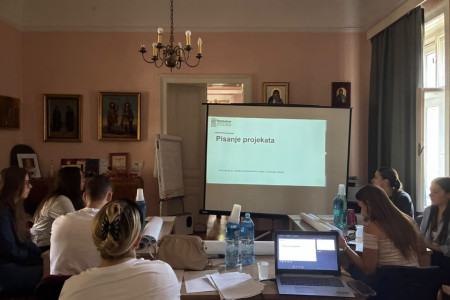
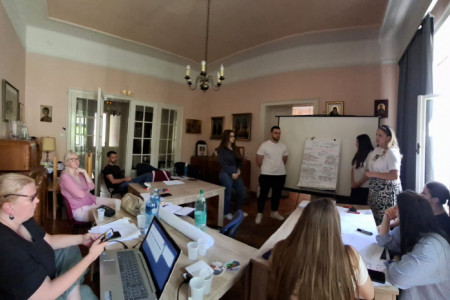
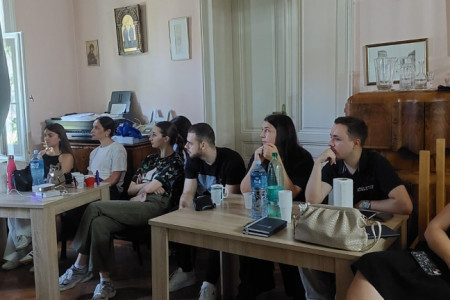
The final part of the professional practice programme included an interactive training session entitled “Fundamentals of Project Writing and Implementation of Project Activities,” during which students acquired basic knowledge in the field of project management and project proposal development. The training session was led by Philanthropy’s Programme Coordinator. Through practical exercises, they became familiar with the project cycle and the key elements of a successful project.
Special focus was placed on defining the overall objective and specific objectives, as well as their connection with planned activities, expected results, and indicators of success.
Students learned how to identify the needs of target groups, define measurable objectives, plan activities, formulate expected results, and develop a logical project structure in accordance with donor requirements and calls for proposals.
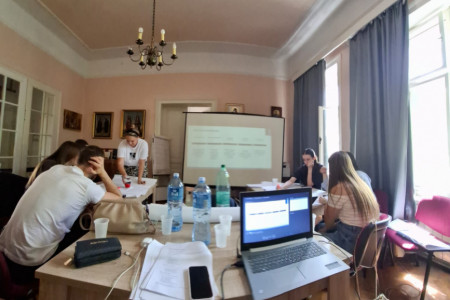
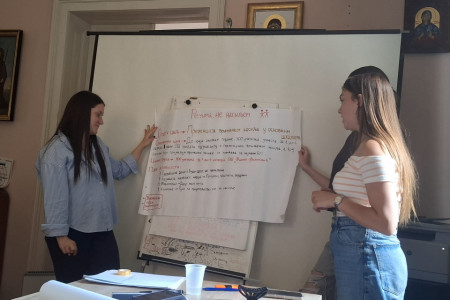
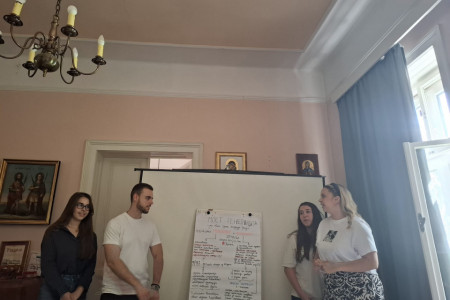
In order to apply the acquired knowledge in practice, at the end of the training students were divided into teams and given the task of designing their own civil society organization, defining its name, and developing a project proposal.
As topics for their projects, students selected the prevention of peer violence and improving the quality of life of elderly people in rural areas. After developing their project ideas, students presented their proposals, during which representatives of Philanthropy asked questions and provided feedback from the perspective of donors, encouraging students to further develop their objectives, activities, expected results, and project sustainability.
This working method enabled students to understand the process of evaluating project proposals from the donor perspective and gain better insight into the criteria that influence project approval. The final presentations demonstrated that students had successfully adopted the basic principles of project planning and understood the logic behind developing a high-quality project proposal. Special attention was dedicated to the project cycle, through which students were introduced to all its phases – from identifying needs and analysing problems, through project planning and proposal development, implementation of project activities, to monitoring, evaluation, and reporting on achieved results.
In addition, project coordinators from Philanthropy responsible for programmes targeting young people and elderly persons presented the projects implemented by the organization. Students became familiar with the entire process of project development and implementation – from identifying community needs, preparing project proposals and planning activities, to implementation, monitoring results, and reporting to donors.
Successfully implemented projects from previous years, as well as current programmes that Philanthropy currently implementing, were presented. Through these examples, students gained a comprehensive understanding of how projects aimed at different target groups are developed and managed.
Through a combination of theoretical lectures, study visits, discussions with professionals, beneficiaries, and project teams, students gained valuable experience which, together with their academic education, will represent an important foundation for their future professional development.
This concept of professional practice enables future professionals to develop practical competencies, better understand the work of civil society organizations, and acquire knowledge that will be valuable for their future professional engagement in the fields of social protection, humanitarian work, and project management.